The Magic Behind Disney Pixar Style AI Generators
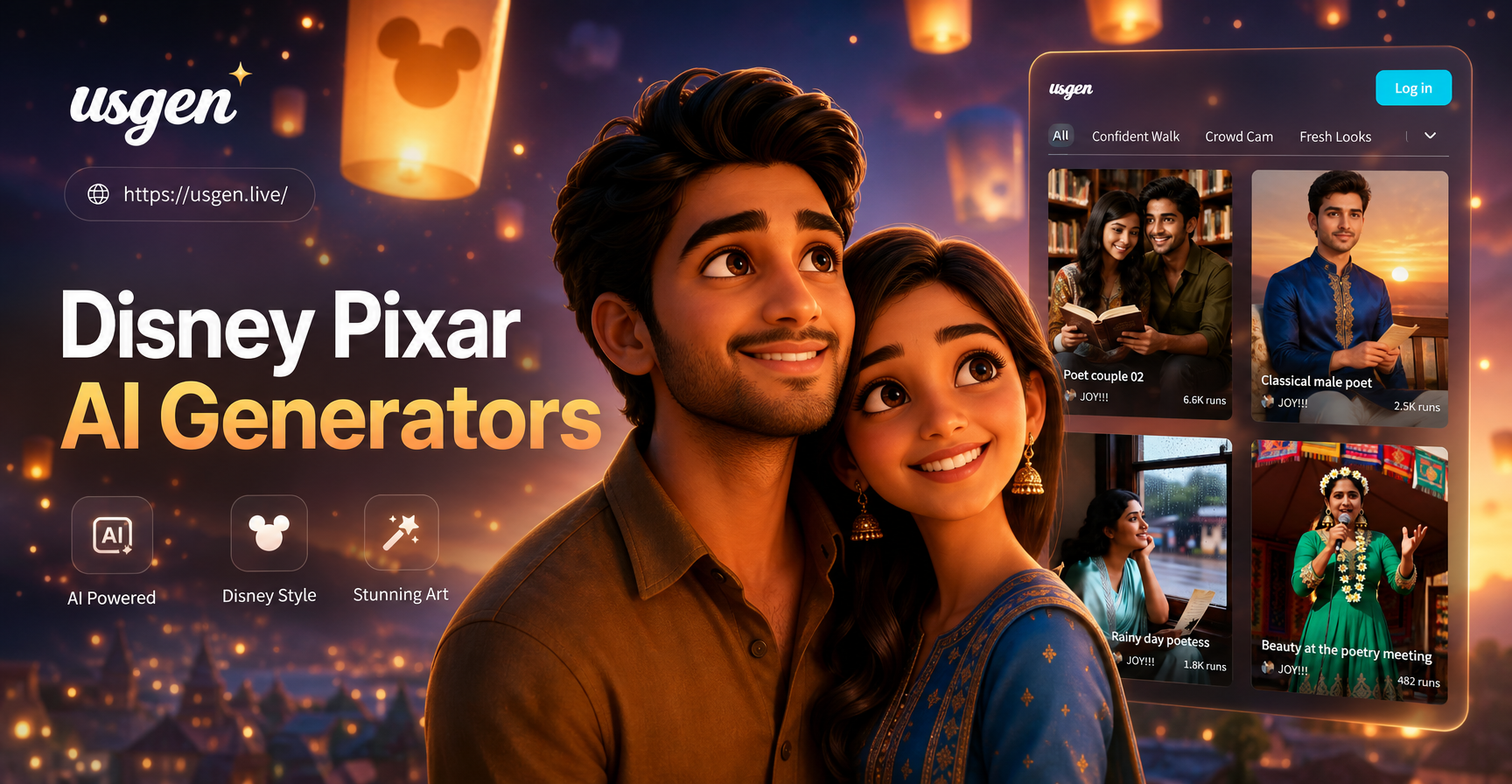
The iconic Pixar look, brimming with emotion, vibrant color, and expressive characters, is now being distilled into artificial intelligence. Disney Pixar AI Generators are advanced machine learning models trained on vast datasets of animated films, concept art, and character designs. They learn the core visual language of the studio, from the soft, rounded forms of characters like Sulley to the intricate, glowing environments of movies like "Coco." When you provide a text prompt like "a shy, blue alien with large, curious eyes," the AI doesn't just draw an alien, it interprets your description through the lens of Pixar's artistic principles, generating a character that feels like it belongs in their universe.
Why This Technology Is a Game-Changer for Creators
For decades, creating high-quality 3D animation required expensive software, powerful hardware, and a steep learning curve. Disney Pixar AI image generators democratize this process. They act as a creative co-pilot, handling the complex tasks of modeling, texturing, and lighting based on stylistic rules. This allows storytellers, game developers, and hobbyists to rapidly prototype ideas, visualize characters for books, or create unique social media content with a professional aesthetic. It's not about replacing artists, but empowering more people to bring their narratives to life with a visual polish that was previously out of reach.
Core Features of Modern Pixar AI Tools
The best AI generators for achieving the Pixar style go beyond simple image creation. They offer a suite of features designed for cohesive and customizable world-building.
1. Character Consistency Engine
One of the biggest challenges in AI art is maintaining a character's identity across different poses and scenes. Advanced generators now include reference modes. You can generate a main character, and then use that image as a "style" or "character" reference to create new images. This ensures your heroic astronaut has the same suit design, facial structure, and color palette whether they're piloting a ship or gazing at a nebula, a crucial feature for storytelling.
2. Dynamic Scene and Emotion Control
These tools understand cinematic language. Prompts can specify not just objects, but emotions, camera angles, and lighting. You can generate "a sad toy sitting alone on a vast bed, cinematic lighting, wide shot" or "a joyful family of monsters having dinner, warm interior lighting, close-up." The AI interprets these directives to compose an image with the intended emotional weight and visual storytelling found in Pixar's work.
3. Style Fusion and Customization
While pure Pixar style is a major draw, the most versatile platforms allow for style blending. What would your character look like in the watercolor style of "Klaus" or the graphic novel aesthetic of "Into the Spider-Verse"? These generators let you merge stylistic influences, giving birth to entirely new and unique visual hybrids while keeping your core character design intact.
Practical Applications: From Dream to Reality
How are people actually using these Disney Pixar AI Generators? The applications are as varied as the users themselves.
- Indie Game Development: Small studios use AI to rapidly generate concept art, character sprites, and environmental assets, establishing a cohesive visual style without a large art team.
- Children's Book Illustration: Authors can now visualize their characters and key scenes, providing clear references for human illustrators or creating placeholder art for pitches.
- Personalized Entertainment: Families are creating custom short stories starring their children as Pixar-style heroes, while fans are generating "missing scenes" or alternate designs for their favorite films.
- Social Media & Content Creation: Influencers and brands generate eye-catching, emotionally resonant visuals for posts, stories, and advertisements that stand out in a crowded feed.
Getting Started: Your First Pixar AI Character
Ready to create? The process is surprisingly intuitive. First, define your character's core traits: personality, species, key physical features, and era. Instead of a generic "dog," think "an overly anxious Victorian-era corgi inventor with oversized goggles." This specificity gives the AI richer material. Next, choose your platform. Look for an app with a dedicated "3D Animation" or "Pixar" style category among its filters. Upload any initial sketch or description you have, select the style, and generate. Don't stop at the first result, refine your prompt and use the seed image for variations until your vision clicks into place.
The Future of AI and Animated Storytelling
The evolution of Disney Pixar AI Generators points toward a more integrated creative future. We are moving towards tools that can generate consistent character turnarounds, expression sheets, and even sequentially framed storyboards from a screenplay. The boundary between prompt and final render will continue to blur, allowing creators to focus more on the heart of the story, the emotion, and the message, while AI handles the intensive labor of visual translation. This partnership between human creativity and machine execution promises a new golden age of personalized, visually stunning animation.
Disney Pixar AI Generators are more than a novelty, they are a powerful new brush in the digital artist's toolkit. They lower the barrier to high-quality animation, inspire new forms of storytelling, and allow everyone to experience the joy of bringing a little piece of Pixar magic into their own world. The only limit is your imagination.